Cursor AI Code Editor: The Complete Setup & Workflow Guide
A practical map of Cursor's AI-native workflow: context control, MCP servers, rules, indexing, and Composer, with links to the deep-dive guides for each.
Deep-dives, reviews, and practical guides for AI coding assistants and developer tools.

A practical map of Cursor's AI-native workflow: context control, MCP servers, rules, indexing, and Composer, with links to the deep-dive guides for each.

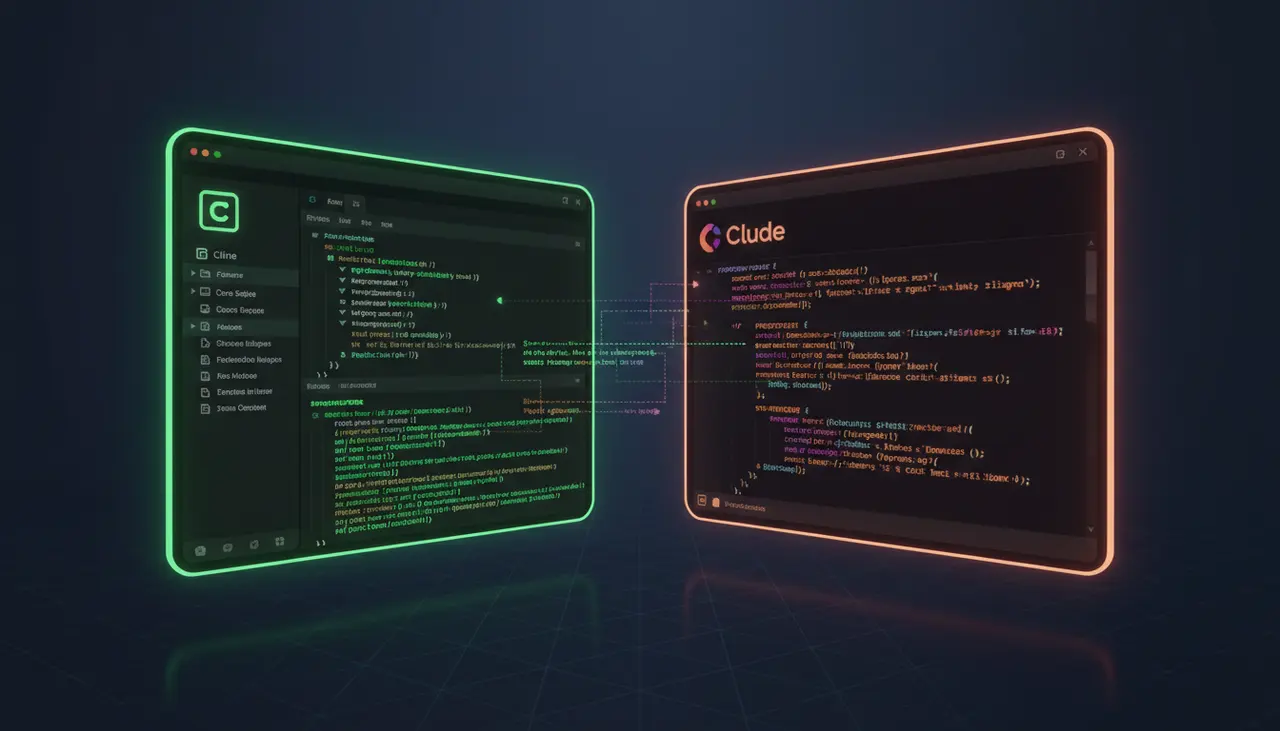
Cline is an open-source client where you bring your own API key; Claude Code is Anthropic's own terminal agent tied to a subscription. The real split is cost and control versus polish.

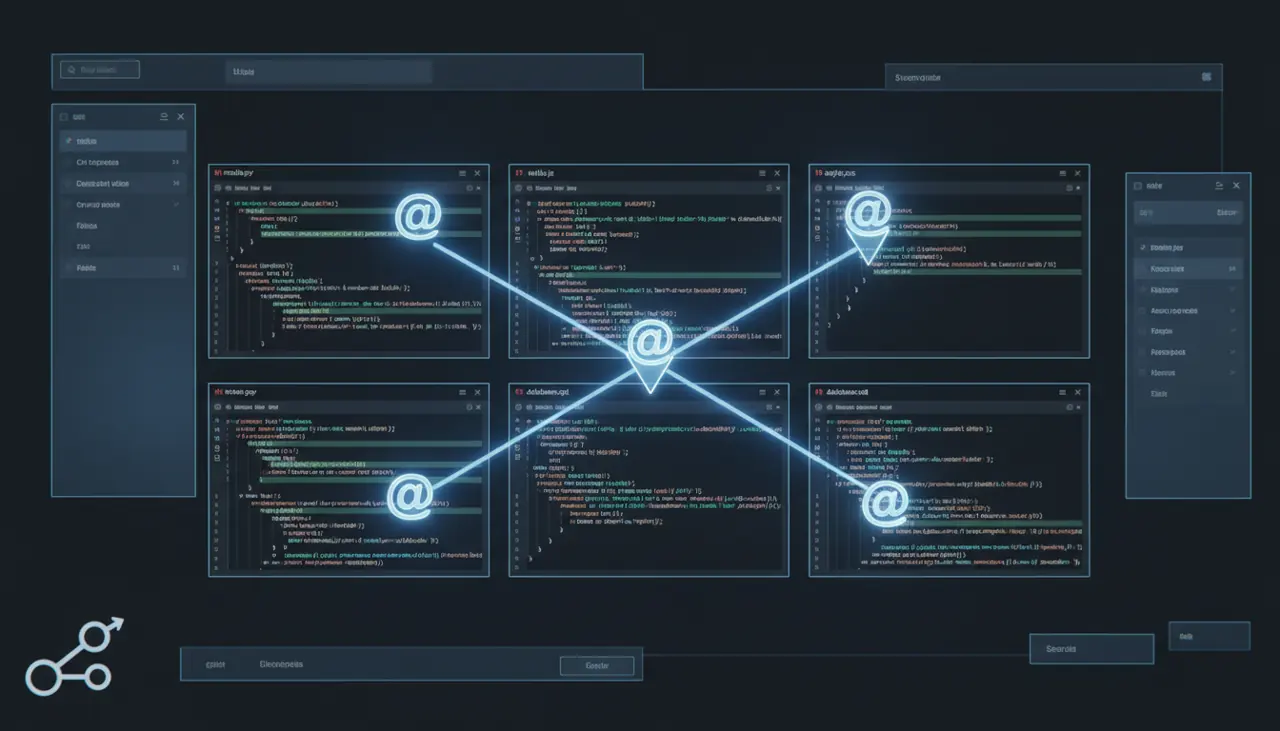
Get the scoping wrong in Composer and it will happily rewrite files you never meant to touch at all. Here's the exact workflow for scaffolding and modifying multi-file features safely.

Browser chat is fine for one-off questions, but the moment you're pasting code back and forth you've already lost the productivity gain. Here's when each API-based tool actually wins.

Ghost-text completion, composer panels, and autonomous agents now coexist inside the same editor. Choosing the wrong interface for a given task wastes more time than any of them saves.

Self-hosted AI coding trades frontier-model quality for full data control and predictable costs. Here's the setup, and the four situations where that tradeoff genuinely wins out.

Windsurf is a VS Code fork, so your keybindings and settings.json survive the move intact. The real adjustment is rewiring habits around Cascade, its agentic layer, not the editor shell.

Antigravity doesn't bolt an agent onto an editor the way Copilot did, it builds the whole environment around one. Here's how Google's free public preview compares to Cursor in daily use.